Overview
See without being seen
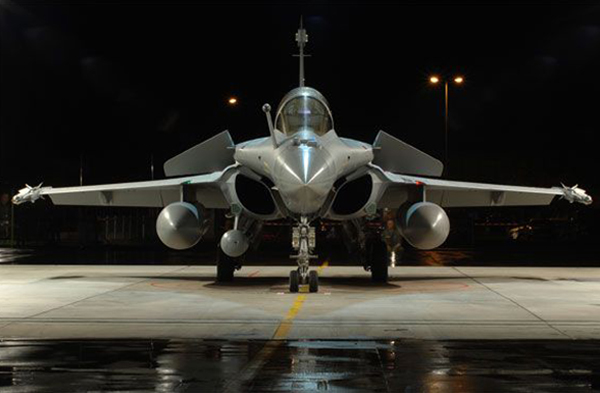
RF signals are emitted by most aircraft, regardless of whether they are aware of it. These signals encompass a range of transmissions such as commercial ADS-B and Airband radio, military data links (A2A and A2G tactical data links), and on-board radar. 3Dev AirDefense is specifically designed to detect and geolocate these transmissions, allowing for the identification of individual airborne targets and the extraction of their flight characteristics. These flight characteristics include essential information such as the aircraft’s current location, heading, speed, flight path, and altitude. Furthermore, this data can be utilized to determine flight envelope characteristics like climb rate, turn rate, and acceleration rate. An advantage of using 3Dev AirDefense is that it operates passively, without emitting any signals that could compromise the user’s position. As a result, the aircraft being monitored are unable to detect the system, ensuring covert monitoring and analysis. Given its capabilities, 3Dev AirDefense is considered a vital component in enhancing air situational awareness in a variety of environments, including testing and battlespace scenarios. Its ability to provide real-time data on airborne targets contributes significantly to the overall understanding of the airspace and facilitates informed decision-making.
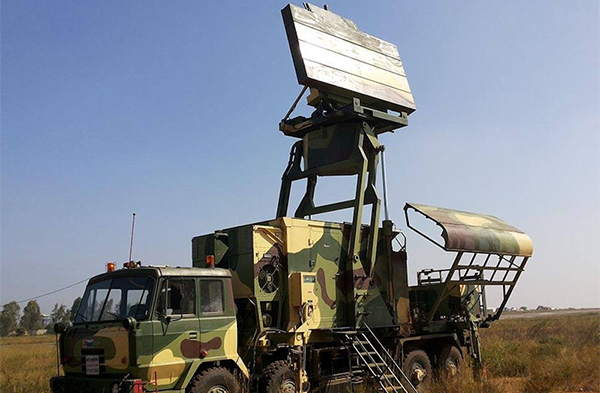
Augment your existing radar systems
3Dev AirDefense offers the flexibility to operate as a standalone tracking solution or complement existing air monitoring systems such as radar. While radar is a highly effective tool for locating aircraft, it has its limitations. It may struggle to provide precise aircraft locations when they are too distant or when deploying surface-to-air missiles becomes ineffective. In such cases, hostile forces can potentially exploit the radar’s operation to locate and either evade detection by altering their flight path or, in a combat scenario, target and destroy the radar using radar-seeking missiles. 3Dev AirDefense, on the other hand, can passively detect hostile aircraft without alerting them to being tracked. This covert intelligence gathering can provide valuable insights into enemy activities. Additionally, it can enhance friendly missile defense systems by continuously tracking emitted RF signals until the aircraft is within range. At that point, the radar can be safely activated with a short-range pulse to precisely locate and engage the incoming threat. By combining the capabilities of 3Dev AirDefense with radar systems, a comprehensive approach to air monitoring and defense can be achieved. The passive detection and covert tracking offered by 3Dev AirDefense enable enhanced situational awareness and can address some of the vulnerabilities associated with radar-based tracking systems.
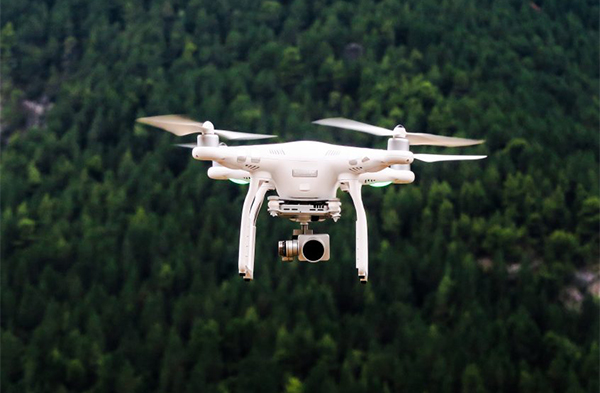
Detect unauthorized drones
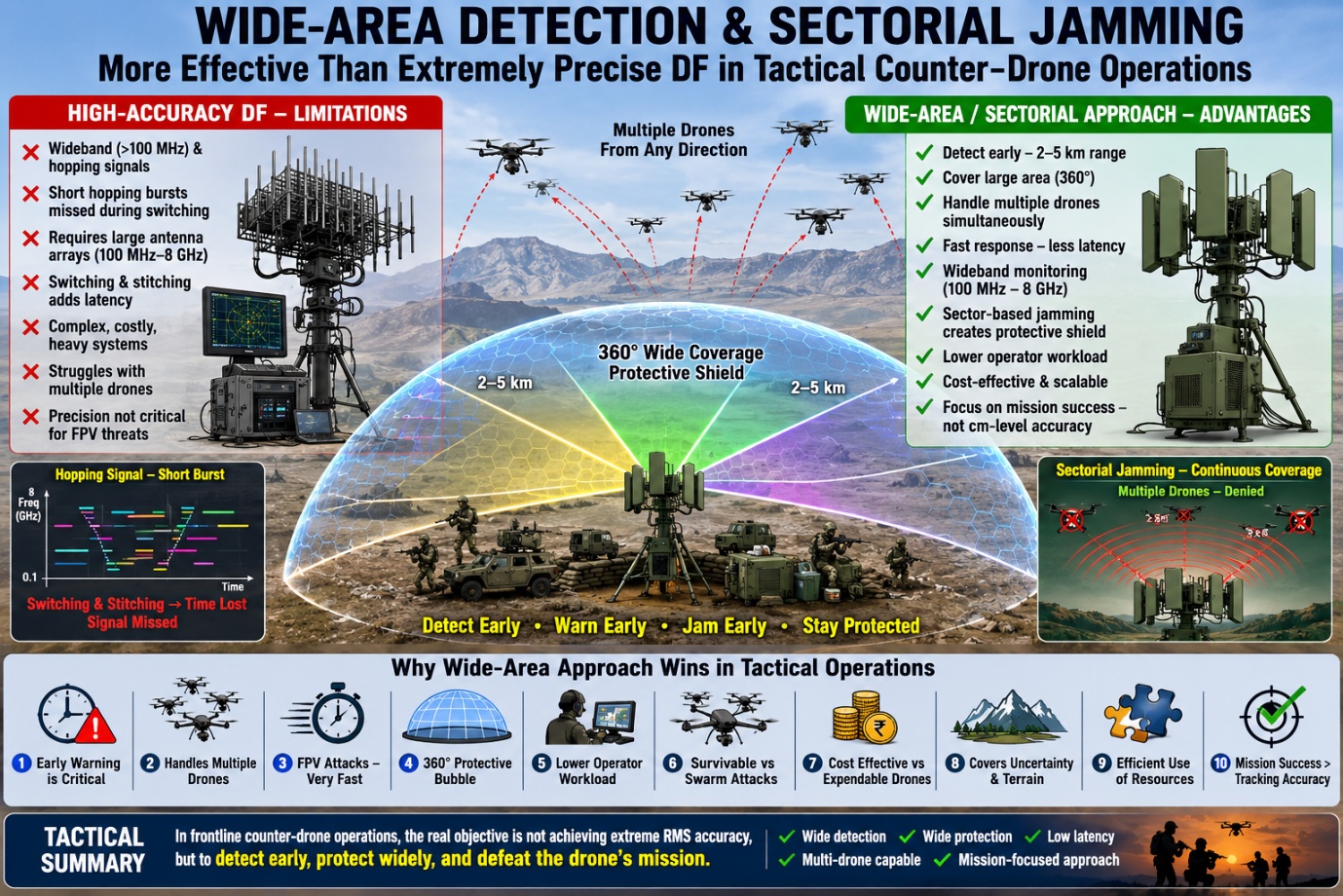
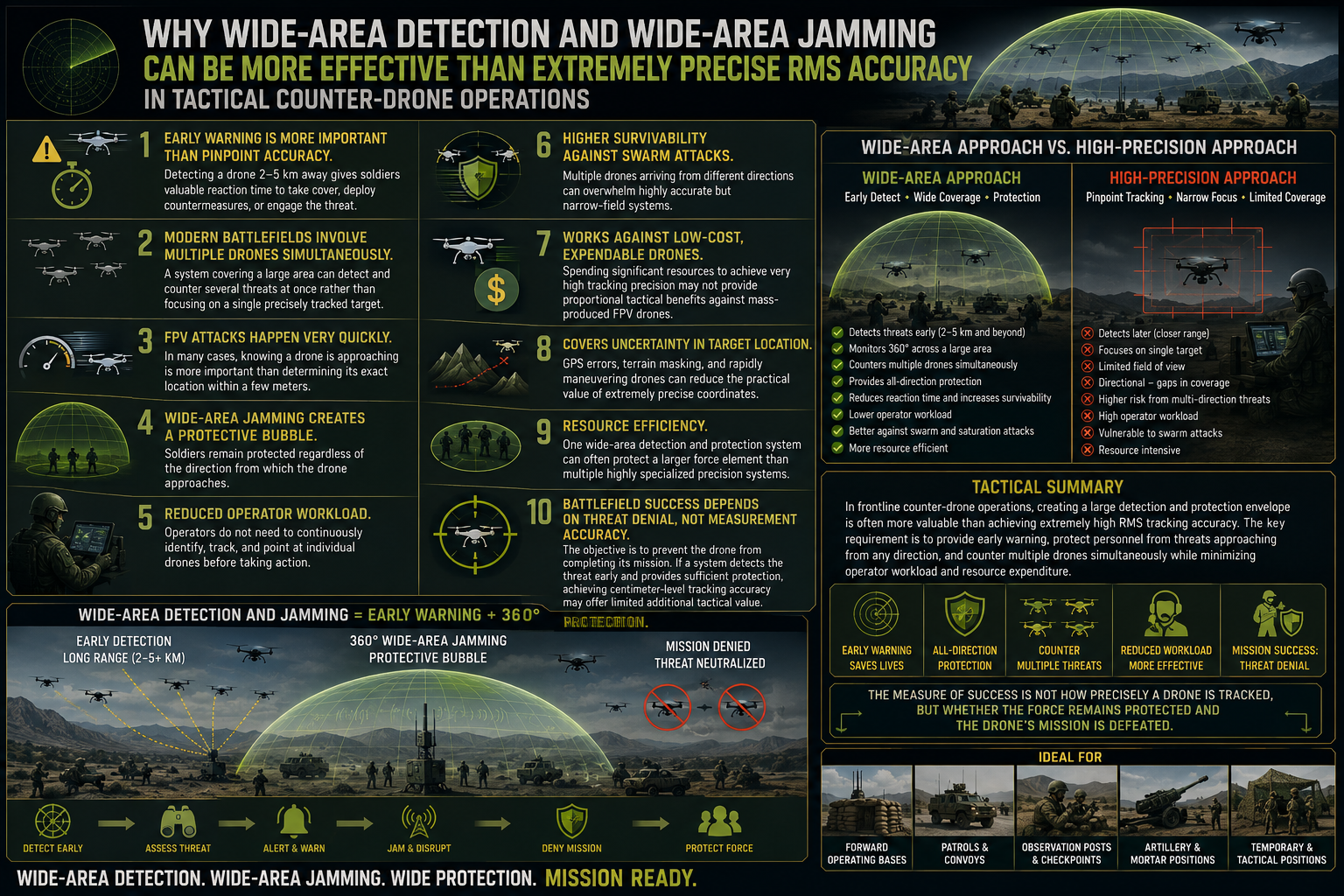
The increasing availability and popularity of commercial drones pose both nuisance and credible threats to military bases and airfields. These threats range from drone enthusiasts conducting video surveillance of local military test ranges to insurgent groups employing drones armed with explosives for attacks during active operations. A significant advantage in detecting and countering these threats lies in the fact that the control links used for navigation and the video links used for transmitting surveillance streams emit RF signatures. These RF signatures can be detected and tracked in three dimensions, providing a means to identify and monitor the drones. By utilizing RF monitoring and tracking systems like 3Dev AirDefense, it becomes possible to detect and locate the RF emissions from these control and video links. This capability allows for the identification of drones in real-time and facilitates tracking their movements accurately. Effectively detecting and tracking drones through their RF emissions provides valuable intelligence and situational awareness. It enables the military to proactively counter potential threats posed by unauthorized drone activities, ranging from simple surveillance to more dangerous scenarios involving weaponized drones. In summary, the RF signatures emitted by the control and video links of commercial drones can be detected and tracked using RF monitoring systems. This capability enhances the ability to identify, monitor, and mitigate potential threats posed by drones to military bases and airfields.
System
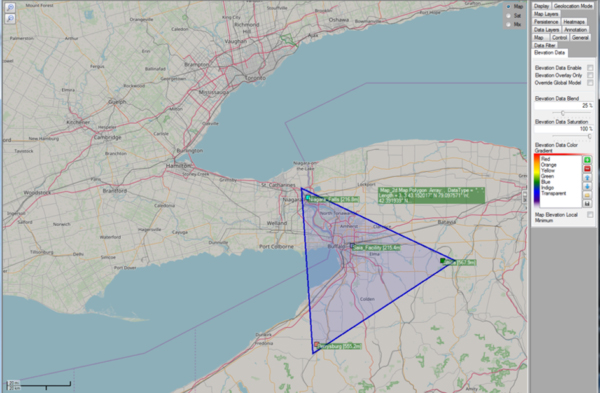
The integration of a cutting-edge network of 3Dev Receivers with advanced software enables the performance of 3D geolocations alongside a comprehensive range of spectrum monitoring, management, and geolocation requirements.The results obtained from this system can be displayed in a variety of user-defined formats. One approach is to use color codes to represent different parameters such as distance, signal strength, and signal type. Additionally, specific transmission types can be identified, and geolocations can be set to fade over time, allowing for the creation of an optimal intelligence picture for various applications.The exceptional performance of our 3Dev Node platform, characterized by ultra-low noise figures, offers extended range and enhanced clarity. In practical terms, this translates to the ability of 3Dev AirDefense to track aircraft located several hundred kilometers away from ground sensors. Our own test deployments have successfully tracked aircraft across a 900-kilometer airspace, highlighting the system’s remarkable capabilities.By leveraging the advanced 3Dev Receivers network and software, 3Dev AirDefense provides accurate 3D geolocations in conjunction with a comprehensive suite of spectrum monitoring, management, and geolocation functionalities. The system’s capability to track aircraft over vast distances enhances situational awareness and contributes to effective air defense operations.